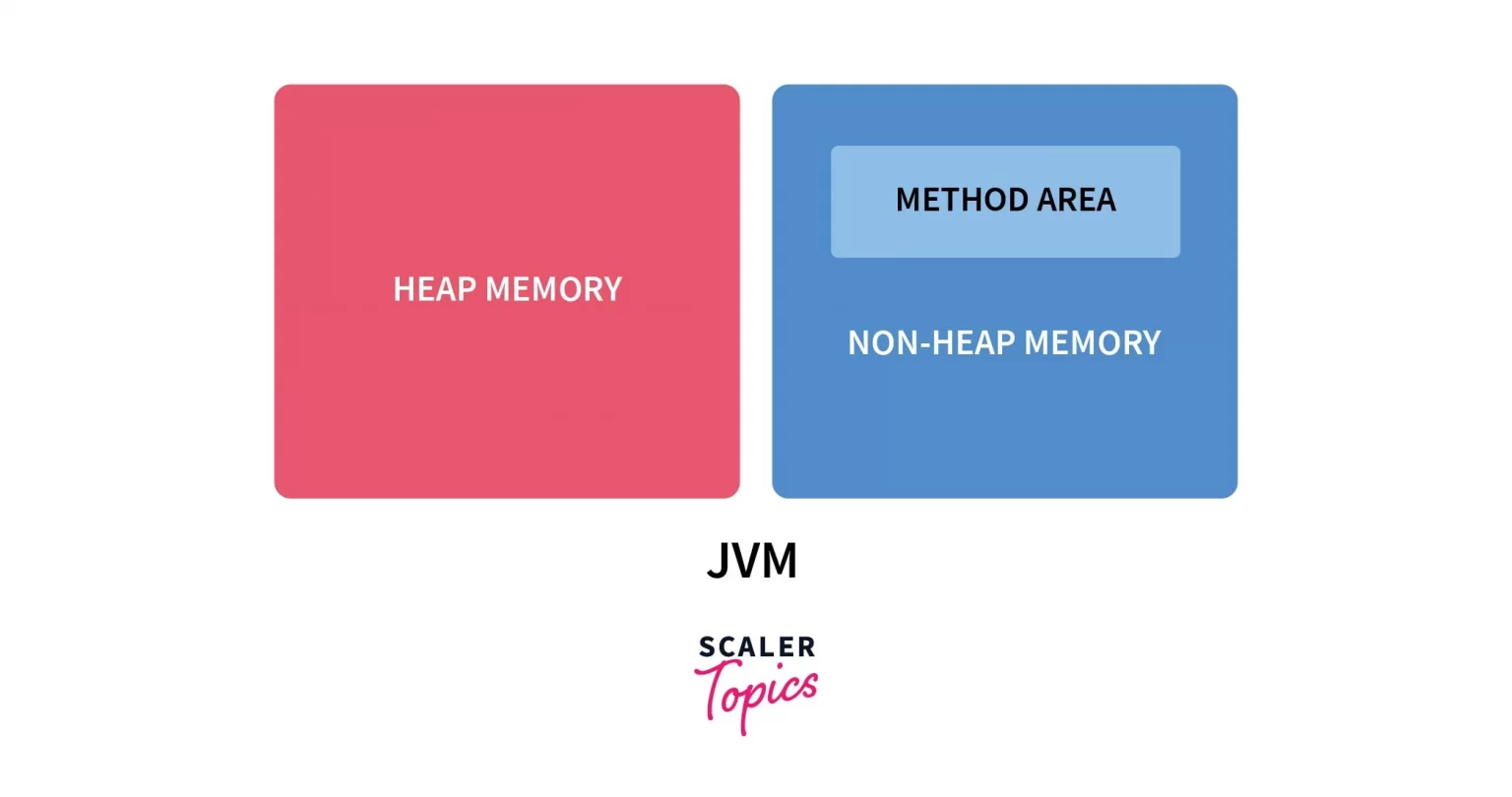
원래는 Method Area에 클래스 정보와 함께 같이 저장된다고 알고 있었는데, 인터넷에서 자바8 부터인가 heap메모리에 저장된다고….
heap영역에 저장되는 게 맞다면,, heap영역에는 원래 new연산자를 통해 생성되는 배열이나 객체가 저장되는 공간만있었는데 static변수가 저장되는 곳이 추가되었다는 소린가? 상수 풀도 heap으로 옮겨진게 맞는건가?
The static variables and methods are stored in the heap memory. In fact all static methods are stored in the Heap memory.
Before the Java 8 version, static variables of the class were stored in the separate section of the non-heap memory named as Method Area created by the Java Virtual Machine after the class compilation. Method area section was used to store static variables of the class, metadata of the class, etc. Whereas, non-static methods and variables were stored in the heap memory.
Static methods (in fact all methods) as well as static variables are stored in the PermGen section of the heap, since they are part of the reflection data (class related data, not instance related). As of Java 8 PermGen has been replaced by MetaSpace and as per JEP 122 it only holds meta-data while static fields are stored in the heap.
Note that this mostly applies to Oracle's Hotspot JVM and others that are based on it. However, not every JVM has PermGen or Metaspace like Eclipse OpenJ9.
Update for clarification:
Note that only the variables and their technical values (primitives or references) are stored in PermGen space.
If your static variable is a reference to an object that object itself is stored in the normal sections of the heap (young/old generation or survivor space). Those objects (unless they are internal objects like classes etc.) are not stored in PermGen space.
Example:
static int i = 1; //the value 1 is stored in the PermGen section
static Object o = new SomeObject(); //the reference(pointer/memory address) is stored in the PermGen section, the object itself is not.
A word on garbage collection:
Do not rely on finalize() as it's not guaranteed to run. It is totally up to the JVM to decide when to run the garbage collector and what to collect, even if an object is eligible for garbage collection.
Of course you can set a static variable to null and thus remove the reference to the object on the heap but that doesn't mean the garbage collector will collect it (even if there are no more references).
Additionally finalize() is run only once, so you have to make sure it doesn't throw exceptions or otherwise prevent the object to be collected. If you halt finalization through some exception, finalize() won't be invoked on the same object a second time.
A final note: how code, runtime data etc. are stored depends on the JVM which is used, i.e. HotSpot might do it differently than JRockit and this might even differ between versions of the same JVM. The above is based on HotSpot for Java 5 and 6 (those are basically the same) since at the time of answering I'd say that most people used those JVMs. Due to major changes in the memory model as of Java 8, the statements above might not be true for Java 8 HotSpot - and I didn't check the changes of Java 7 HotSpot, so I guess the above is still true for that version, but I'm not sure here.